

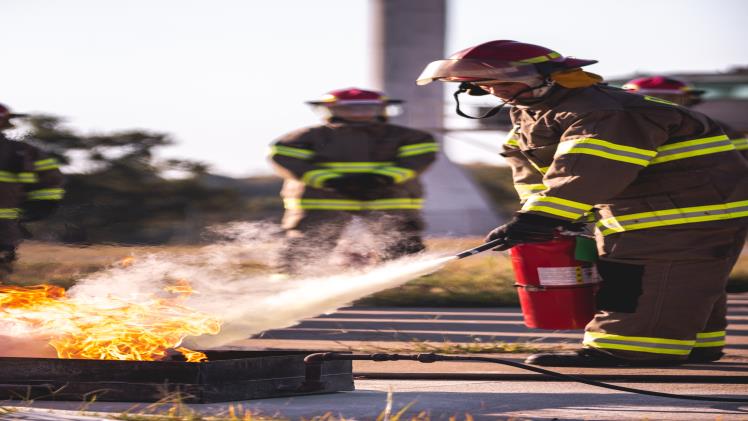
In recent years, a wave of lawsuits has emerged surrounding Aqueous Film-Forming Foam (AFFF), a firefighting foam used to combat flammable liquid fires. As of March 2023, the federal court system has been presented with more than 4,000 lawsuits pertaining to AFFF. These lawsuits aim to hold manufacturers accountable for the contamination caused by AFFF and the associated health risks.
In this article, we will delve into the AFFF lawsuit landscape, exploring the basis for these legal actions, the environmental impact, health concerns, and the pursuit of justice for affected individuals and communities.
Understanding AFFF and Its Purpose
AFFF is a specialized foam designed to suppress fires fueled by flammable liquids such as petroleum and certain chemicals. It forms a film on the liquid surface, separating it from the air and preventing re-ignition.
AFFF has been widely used by military, industrial, and firefighting agencies for decades due to its effectiveness in combating these hazardous fires.
Contamination and Environmental Impact
According to TorHoerman Law, one of the primary issues driving the AFFF lawsuits is the significant environmental contamination caused by the foam. AFFF contains per- and poly-fluoroalkyl substances (PFAS), a group of synthetic chemicals known for their resistance to heat, oil, and water.
PFAS compounds, including perfluorooctanoic acid (PFOA) and perfluorooctanesulfonic acid (PFOS), have been linked to various health problems and are persistent in the environment.
The contamination of soil, groundwater, surface water, and drinking water sources has been a direct consequence of the release of AFFF during training exercises, firefighting operations, and accidental spills.
A report conducted by the Environmental Working Group (EWG) has revealed that approximately 16 million people in the United States have detected PFAS chemicals in their drinking water.
This alarming statistic highlights the widespread impact of AFFF-related PFAS contamination, emphasizing the urgent need to address this issue to safeguard public health and protect vital water resources.
This contamination poses a significant risk to ecosystems and public health. The lawsuits seek to address the cleanup costs, medical expenses, and damages caused by this contamination.
Health Risks and Public Concerns
PFAS compounds have been associated with numerous adverse health effects, including liver damage, immune system dysfunction, developmental issues in children, and an increased risk of certain cancers.
Communities residing in close proximity to military bases, airports, and firefighting training sites, where AFFF has been extensively utilized, have voiced legitimate concerns regarding their potential exposure to PFAS chemicals.
The firefighting industry has estimated employed millions of gallons of AFFF containing PFAS chemicals over several decades.
Supporting this concern, a study published in the Journal of Exposure Science & Environmental Epidemiology revealed that firefighters regularly exposed to AFFF exhibited elevated levels of PFAS in their bloodstream compared to the general population.
Individuals impacted by PFAS exposure, such as firefighters and residents residing near contaminated regions, are pursuing legal action to seek compensation for medical costs, health monitoring, and damages arising from the health consequences associated with PFAS exposure.
The objective of AFFF lawsuits is to bring attention to the potential negligence of manufacturers who failed to sufficiently warn about the health risks connected to their products. Legal experts estimate that AFFF lawsuit settlement amounts could start from $300,000, depending on the merits of each case.
Pursuing Justice and Accountability
AFFF lawsuits are being filed against manufacturers, alleging negligence, product liability, failure to warn, and other claims. The objective is to hold these companies accountable for their role in the contamination and subsequent health problems faced by individuals and communities. Many lawsuits are seeking compensation for medical expenses, property damages, loss of livelihood, and punitive damages.
In addition to individual lawsuits, several class-action cases have been initiated to represent large groups of affected individuals. These collective legal actions aim to streamline the legal process and ensure that justice is pursued efficiently and effectively.
The Role of Regulation and Future Implications
The AFFF lawsuits have shed light on the need for stricter regulation of firefighting foams and the chemicals they contain. Governments and regulatory agencies are revisiting their guidelines and standards to address the environmental and health concerns associated with PFAS compounds.
These legal actions may encourage the development of safer alternatives to AFFF and contribute to greater accountability within the industry.
Conclusion
The AFFF lawsuits represent a crucial step towards addressing the contamination caused by firefighting foam and the associated health risks.
By seeking justice and holding manufacturers accountable, affected individuals and communities aim to secure compensation for damages and raise awareness about the environmental and public health impacts of AFFF.
Through these legal actions, there is hope for stricter regulation, safer firefighting alternatives, and a more responsible approach to protecting people and the environment.
