

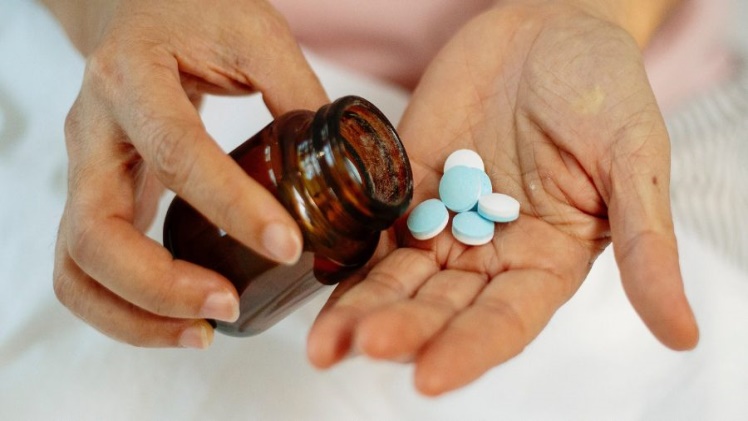
Diazepam, commonly referred to as Valium, is a drug used to manage a variety of conditions, including anxiety, muscle spasms, seizures, or twitches, typically to help the user find some sleep when struggling with insomnia. It is also often used in alcohol addiction treatment as it helps in making the symptoms of alcohol withdrawal bearable.
Now, while Valium does have considerable benefits, it is also habit-forming if used recreationally or over an extended period of time. In fact, addiction rates in the US have steadily increased in recent years.
As with most drug addictions, Valium addiction can adversely affect your life in more ways than one. Some side effects that you may experience include drowsiness, fatigue, memory issues, mental confusion, and vertigo. Valium can also interact with other drugs and substances in your body, sometimes posing life-threatening effects.
For these reasons, knowing how long it stays in your system is key.
So, How Long Does Valium Last?
Let’s start with how long it takes to actually kick in. The answer pretty much depends on how much you take and the state of your body at a time. Valium is usually taken in pill form and the effects typically peak in about 1-2 hours and can last anywhere between 4 and 6 hours after the last dose. However, the drug is still detectable long after the effects wear off. Valium’s half-life, which is how long your body takes to get rid of half the dose, is 48 hours.
When you consume Valium, the body proceeds to break it down into what’s known as metabolites. These compounds stay in the body much longer than the Valium itself and can be detected weeks after taking them.
So, how long does Valium last? This depends on what part of your body is being tested:
- Urine: anywhere from one to six weeks.
- Saliva: can be detected one to ten days after use.
- Hair follicles: can show Valium for up to 90 days.
- Blood: shortest window, of between six to 48 hours.
Factors That Affect Valium Detection
How fast or slow your body gets rid of Valium depends on a lot of factors. Which is why it is different for everyone. Some of the factors include:
- How much of the drug you used
- How long you have used it
- Your tolerance levels
- Your body mass/ weight
- Your age
- Your daily water intake
- The amount of physical activity you engage in
Suspect You or a Loved One Has a Valium Addiction? Seek Treatment to Overcome Dependency
Valium dependency can creep up on you. One moment you are taking it to calm your nervous system and catch some sleep; the next, you can’t function without it. If you find yourself craving the drug or dealing with negative symptoms like hallucinations, mood swings, or drowsiness that go away when you take the drug, it is time to seek treatment for your dependency. A comprehensive detox and therapy program should be able to restore your life.
