

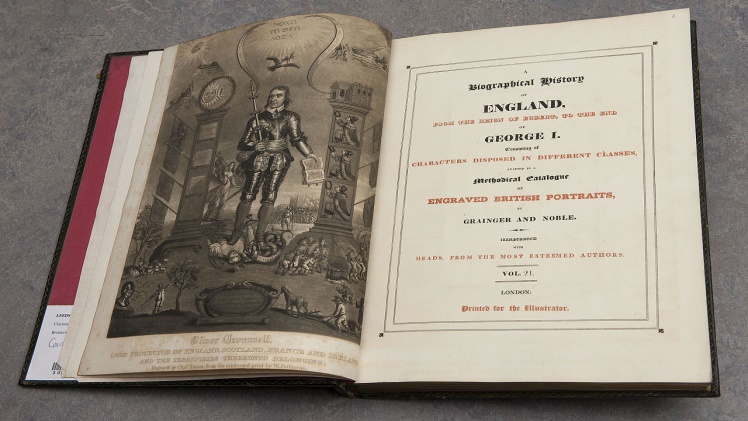
Do you remember the days of eagerly poring through glossy catalogs, diligently circling items to buy to ensure you didn’t miss anything? Catalogs have been around in some form or another for centuries, even predating modern marketing practices.
Over time they’ve evolved – from paper printouts tucked inside large envelopes to fully digitized experiences complete with animation and sound effects. In this blog post, we’ll look at the rich history of catalogs and explore their ongoing transformation into digital marvels that continue to captivate us today.
A Brief History of Print Catalogs
Print catalogs have been around for centuries, providing readers a tangible way to browse and purchase goods. From the first recorded print catalog by the Dutch East India Company in the late 16th century to the rise of mail-order catalogs in the 19th and 20th centuries, the print catalog has evolved with the times.
When the Internet emerged as a dominant force in retail, print catalogs began to decline in popularity. However, there is still something special about flipping through the pages of a well-designed catalog, and many retailers continue to produce them to connect with their customers and uniquely showcase their products.
Despite the rise of digital marketing, the humble print catalog remains a beloved part of shopping history.
How Technology Helped Move Catalogs Online
The advent of technology has brought about a significant shift in the way we do things. One particular area that has seen significant changes is the world of printing and publishing. In the past, catalogs were printed on paper and distributed to potential customers.
This process could have been more efficient and more expensive. However, technology has made it possible for catalogs to be moved online. This has made it easier for people to access catalogs and enabled businesses to update them in real time.
Customers can now access the latest products and services businesses offer with a click of a button. This has made shopping more accessible and more convenient than ever before.
How Catalogs are Adapting to the Rise of Social Commerce
Catalogs have been around for decades, providing a convenient way to browse products and make purchases without ever leaving the comfort of one’s home. As social media becomes increasingly integral to our daily lives, catalogs adapt to embrace this new digital landscape.
Today, savvy retailers use social commerce to drive sales by integrating shoppable content into their catalogs on platforms like Instagram and Facebook. By doing so, they’re making it easier for customers to purchase items directly from the digital catalogs they’re browsing.
With social commerce on the rise, the future of catalogs looks bright, offering a seamless shopping experience integrated with the social channels we know and love.
Conclusion
With the rapid growth of digital technology, the world of print catalogs has undergone drastic changes. It started with a switch from traditional paper-based catalogs to e-commerce sites and now continues with the emergence of social commerce.
Despite this evolution, however, print catalogs remain an important tool for merchants as it is one of the most efficient ways to engage consumer audiences. With their rich visuals and creative stories, catalogs provide an immersive experience that online businesses cannot always offer.
While technology has allowed many retailers to transition from paper-based products to digital alternatives successfully, it is clear that print catalogs still have a place in today’s retail market as a powerful customer engagement tool. From generating brand loyalty to increasing sales conversion rates, print marketing remains as effective as ever for those who are looking to maximize their impact on potential customers.
