

If you want to buy essential oils wholesale, you may see several descriptions, including organic and conventional. You may look for only organic products and want to know how to choose the best items. Since all essential oils aren’t the same, you can review the following tips to help you understand what you’re getting.
Where Essential Oils Come From
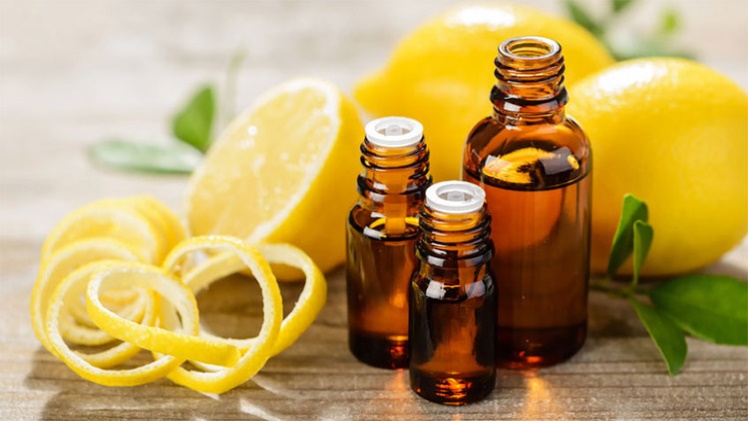
Essential oils originate from plants. You can extract them from the roots, leaves, blooms, or other plant parts. Harvesters retrieve the oils in different ways, depending on the specific plant. They may press some plants, such as citrus. The peels have a higher oil content, making them easier to extract through manual pressing.
Other plants must be distilled to extract the oils. The leaves, roots, and other parts are heated over water. The oils become vapor, which flows through a coil and turns back into liquid. This process is used with many plants, such as lavender, peppermint, and eucalyptus.
Types of Essential Oils
You will see essential oils labeled as food grade or therapeutic grade. You will also find them in fragrances, cleaning detergents, and other items. Essential oils enhance the smell of beauty products as well. You can choose either organic or non-organic oils for these recipes.
Many people use essential oils to treat health conditions with aromatherapy. You may use a scent such as lavender in a diffuser to relax. You might choose a scent like peppermint to give you energy. People often prefer organic oils for this purpose to reduce exposure to chemicals.
What Organic Means
Organic is a term that refers to how a plant is grown and harvested. To be certified as organic, a farm must meet strict requirements. Many standards for other products can be applied to essential oils. The oil derived from the plants is grown separately from non-organic products. No herbicides or chemical pesticides are used unless they are on the approved list. In the US, the growers must meet USDA and FDA regulations for the organic certification as well as with the label and packaging.
A product can be labeled in several ways. It depends on how the ingredients were grown. It may say ‘100% organic’ or ‘made with organic ingredients.’ If a product is made with organic ingredients, it may also include ingredients that aren’t organic.
What Makes an Essential Oil Organic
To be able to use the term ‘organic’ or the ingredients in essential oils, a grower must follow a multi-step process. The grower will create a plan for the processes used in the plant’s growth and harvest. The processes must meet the legal requirements set by the USDA. A certified expert will review the plan, and they will inspect the property where the plant is produced. If the grower passes the inspection, they will receive their certification.
These practices are sustainable, environmentally healthy, and safe. Look for the organic label on any essential oil product you buy. Companies may only use the label or the term on their products if they meet the requirements. When you purchase essential oils wholesale, a reputable wholesaler will choose suppliers who are transparent in their organic production processes.
Differences Between Organic and Non-organic
Also referred to as conventional essential oils, non-organic oils differ from organic products in safety, cost, therapeutic use, and even their appeal. Organic oils are considered safer because of limited exposure to pesticides and other toxic chemicals. Because of the specific processes used with these oils, they often cost more than conventional oils. They may also appeal to a broader audience because of the image associated with organic products. Many people prefer organic oils for therapeutic use because of the purity of the products.
While organic products may be considered better, conventional essential oils may also be quality products. Even though a grower isn’t certified as organic, they can still use safe and healthy methods to grow plants.
Buying Essential Oils Wholesale
When you shop for essential oils with a wholesaler, you can look for the organic label. Many companies will sell both organic and conventional oils. Buy only from a trusted company with a solid reputation, and you can feel good about the products you receive, whether they are organic or not.
