

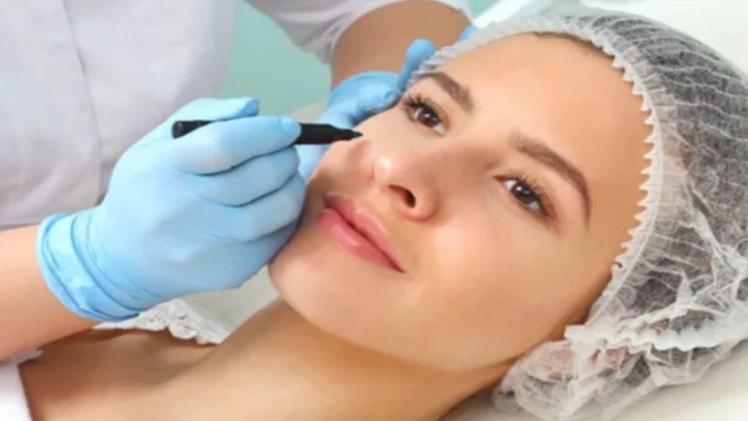
As you age, your skin and immune system age too, which can affect the outcome of plastic surgery. Age can alter the longevity of the results, the type of procedures your plastic surgeon can perform on you, and the risks associated with specific treatments. The earlier in life you have a plastic surgery procedure, the longer the results tend to last, and the fewer complications you may experience. Here are some ways age can affect plastic surgery:
1. Eligibility
There is no age limit to having plastic surgery, but specific procedures may not be appropriate for people in certain age groups. Facelifts are usually only recommended for those with excessive wrinkles and loose skin. Younger candidates may be eligible for alternate treatments, such as laser resurfacing or chemical peels, which can help reduce the signs of aging. Younger people may not have enough skin and facial laxity to achieve long-lasting facelift results.
2. Age-related Medical Conditions
The body’s aging process can lead to medical conditions such as diabetes, heart disease, osteoporosis, hypertension, Alzheimer’s disease, and other age-related conditions. Some procedures can slow the healing process or increase the risk of complications. Discuss existing medical conditions with your plastic surgeon and determine if your desired procedure is safe and appropriate.
3. Longevity of Results
The younger you are, the longer your results may last. This does not mean that older people cannot benefit from plastic surgery. Skin laxity and fat deposits tend to decrease with age, making it more challenging to achieve the desired outcome in older individuals. Results may not last as long, and you may need to return for more frequent touch-ups. Aging skin may be more sensitive to the effects of certain procedures and may require a more conservative approach.
4. Side Effects and Complications
Complications from plastic surgery can include infection, scarring, and changes in skin pigmentation. The risk of complications increases with age due to decreased skin elasticity and slower healing. Older patients may also be at a higher risk of developing blood clots or other adverse reactions. Despite the risks, older patients can still get a rhinoplasty, facelift, or blepharoplasty surgery with successful results.
5. Recovery Time
Age slows metabolism and decreases the function of the immune system, making it more difficult for older patients to heal quickly. They may need extra care and rest during recovery. Post-surgery swelling, bruising, and discomfort may last longer in older patients. They may need to wait longer before they can resume their regular activities. Your plastic surgery specialist will provide detailed instructions on caring for yourself during recovery for a successful outcome.
6. Anesthesia Considerations
Many plastic surgery procedures require anesthesia to reduce pain and discomfort, including general anesthesia for major procedures. Age can affect how the body responds to anesthesia. Senior patients may have reduced physiological reserves and a higher likelihood of experiencing anesthesia complications. Plastic surgeons work closely with anesthesiologists to evaluate the patient’s age and overall health, tailor the anesthesia plan accordingly, and minimize the risk of complications.
7. Fat Volume and Bone Density Loss
As you age, your body loses fat volume in various body parts. This can affect the results of procedures such as dermal fillers or fat grafting, requiring additional volume restoration to achieve the desired outcome. Discuss the extent of volume loss with your plastic surgeon, and understand you may need two or more procedures to achieve the desired result. Aging can also result in reduced bone density. This can affect the success of procedures, like rhinoplasty or chin augmentation, that involve manipulating the underlying bone structure. Your specialist will need to factor your bone density into their procedure plan.
8. Expectations
Age may influence a person’s expectations and motivations for undergoing plastic surgery. Understanding what is and isn’t possible with your age can help set realistic expectations for the outcome of plastic surgery. Older individuals have more age-related body changes and may require several treatments to achieve their desired results. While multiple or more extensive treatments can help achieve the results, it may be risky. Plastic surgery does not stop the natural aging process, but it can help you look refreshed and rejuvenated.
Find the Right Plastic Surgeon for Your Procedure
Age, medical conditions, and overall health can affect the safety and success of plastic surgery. Your chosen specialist should assess your age and discuss any potential risks or complications associated with the procedure. A qualified plastic surgeon will tailor the procedure to your specific situation and provide realistic expectations about the outcome. If you think your age might affect the outcome of your plastic surgery, consult a board-certified plastic surgeon to determine the best course of action.
