

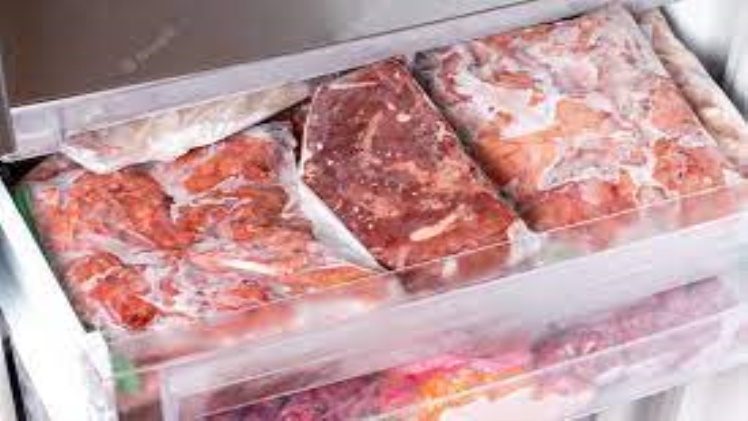
Frozen food packaging needs to protect contents all year round. In some regions, summer weather can pose challenges for preserving the condition and safety of frozen food. Here are a few suggestions for making seasonal changes to frozen food packaging to maintain the quality of products during distribution or transportation by end users.
Common Challenges Of Packaging In the Summer
Frozen food products are prone to thawing or melting when exposed to summer temperatures. This exposure can occur during loading or unloading, shipping, in retail environments or on the way to the freezer of an end user.
It is not always possible for frozen food companies to optimize shipping routes to minimize delays or outages that require the contents of a freezer truck to be transferred to another truck. That is where packaging materials for frozen food products come into play. One of the best reasons to select Mylar bags custom packaging is that this airtight film seals out contaminants and locks in moisture to maintain freshness.
Another challenge that warm weather poses to the cold supply chain is increased shipping volume. Sales of frozen foods and ice cream peak during the summer, which makes compact product packaging an advantage. Flexible packaging has a much higher ratio of product to packaging than rigid containers, which is even more important when space is at a premium.
How You Should Pack
Companies that send frozen food to end consumers should consider packaging materials with insulated barriers. It is also possible to package frozen food orders in coolant packing materials or insulated shippers.
You can research and price the most practical frozen food packaging for small business, from flexible packaging for products to shipping containers. In general, frozen foods in Mylar packaging or other durable plastic films with suitable barriers are ready to pack and ship.
If you ship frozen food directly to consumers, you should consider using insulated boxes and using dry ice. Keep in mind that this temperature control method is subject to shipping restrictions.
Options for Seasonal Packaging
You can vary the materials or design of frozen food packaging based on the season. While it is always important to package frozen food in films that can withstand storage at low temperatures and protect against evaporation and oxidation, you might consider thicker barriers to provide more insulation for products during the summer. In general, frozen food items intended for storage in controlled environments can be packaged in standard films year-round.
Some brands vary packaging formats and designs based on the season. Releasing single-use or travel-sized products in stick pack format can be appealing for vacationers. You can also order short runs of seasonal or holiday packaging. Digital package printing is the most affordable way to order lower quantities of packaging or variable packaging designs.
Custom digital package printing makes it more practical for small- and medium-sized businesses to experiment with seasonal designs or vary packaging materials during the summer. Durable flexible films and barriers can maintain the quality of frozen food when temperatures rise.
