

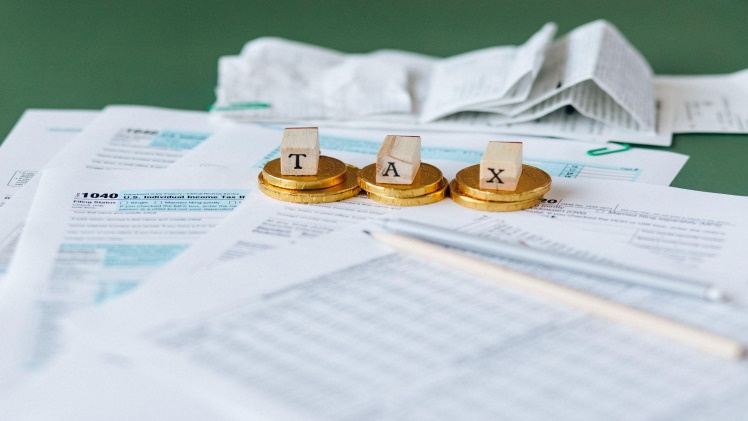
For small and medium-sized enterprises (SMEs) in the Philippines, understanding and complying with the country’s tax laws can be a daunting task. However, it is crucial for SMEs to have a solid grasp of their tax obligations and acquire BIR filing and accounting services to avoid penalties and ensure smooth business operations. In this guide, we will provide an overview of the Philippine tax system and offer practical tips to help SMEs navigate tax compliance with ease.
1. Understanding Tax Registration
The first step for SMEs is to register with the Bureau of Internal Revenue (BIR) to obtain a Tax Identification Number (TIN). The TIN is a unique identifier used in all tax transactions and filings. New businesses must secure their TIN before they can legally operate in the Philippines.
2. Types of Taxes
SMEs in the Philippines are subject to various taxes. The most common ones include:
- Income Tax: All businesses, regardless of size, are required to pay income tax. SMEs fall under different income tax rates based on their gross annual sales or receipts. It is essential to accurately compute and report income tax to the BIR.
- Value Added Tax (VAT): Businesses with annual gross sales or receipts exceeding a certain threshold are mandated to register for VAT and charge 12% on their sales. On the other hand, businesses with sales below the threshold may opt to register as VAT-exempt.
- Percentage Tax: SMEs with annual gross sales or receipts below the VAT threshold are subject to percentage tax, which is a percentage of their gross sales.
- Withholding Taxes: SMEs are required to withhold taxes from payments made to suppliers, contractors, employees, and other entities. These taxes must be remitted to the BIR on specific due dates.
- Local Business Taxes: SMEs operating within cities or municipalities may be subject to local business taxes, such as the Mayor’s Permit and other fees imposed by the local government unit.
3. Keeping Accurate Records
Maintaining accurate and organized financial records is crucial for tax compliance. SMEs should keep track of income, expenses, receipts, and invoices. Proper record-keeping ensures that all tax obligations are accurately computed, and it simplifies the process during tax filing season.
4. Tax Deadlines and Compliance
SMEs must be aware of various tax deadlines and ensure timely compliance. Income tax returns are typically due on or before April 15th of the succeeding year, while VAT returns are usually filed monthly or quarterly. Withholding taxes, on the other hand, have specific due dates based on the type of income payment. Missing deadlines can lead to penalties and interest charges, so it is crucial to mark these dates and prepare well in advance.
5. Seek Professional Advice
Tax regulations can be complex, and they are subject to changes from time to time. Seeking advice from tax professionals or accountants can provide SMEs with valuable insights and ensure compliance with the latest tax laws. A tax expert can help SMEs identify possible tax deductions, exemptions, and incentives that can help reduce the tax burden.
6. Embrace Digital Solutions
In the digital age, technology can significantly simplify tax compliance for SMEs. Many accounting software and online platforms are available that automate tax calculations, generate financial reports, and help manage tax-related tasks efficiently. Integrating these tools into business operations can save time and reduce the likelihood of errors.
Conclusion
Complying with Philippine taxes as an SME requires diligence, organization, and awareness of current tax laws. By understanding their tax obligations, keeping accurate records, and seeking professional guidance, SMEs can navigate the complexities of taxation while focusing on growing their businesses. Embracing digital solutions can further streamline tax compliance, allowing SMEs to thrive in the dynamic business landscape of the Philippines.
