

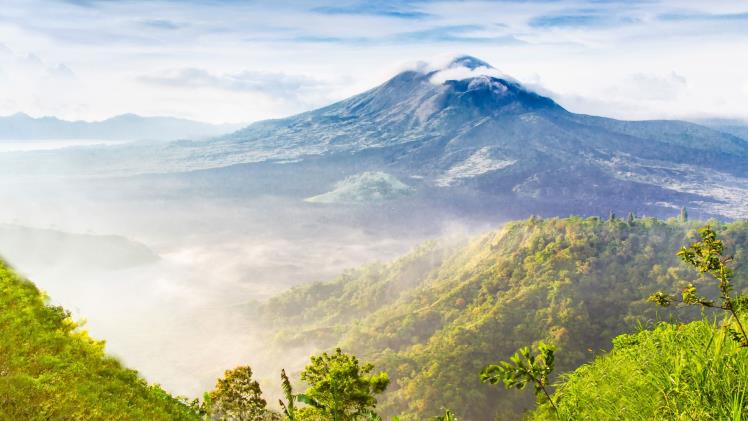
Mount Agung’s eruptions are characterized by ashfall and gas emissions. The smoke generated during these eruptions can reach heights of up to 8 kilometers (5 miles). It is the highest mountain on the island and stands 3,031 meters (9,944 feet) tall. The last major eruption was in 1963, but it has been showing signs of unrest since August 2017.
Weather on Mount Agung: The weather conditions at Mount Agung can range from hot and humid near sea level to cool and dry higher up the mountain. During the day temperatures will generally stay between 15C – 25C (59F – 77F), while at night they can dip as low as 10C (50F). Rainfall in this area is very common between October and April, which can make trekking difficult during this time.
Accommodation: Due to its close proximity to Mount Agung there are many accommodation options available around Bali for those looking to explore this incredible mountain peak. From budget hotels to luxury resorts you should be able to find something suitable for your needs and budget!
Best Time To Visit Mount Agung: The best time to visit Mount Agung is usually between May-September when temperatures are cooler and there are fewer chances of encountering bad weather or heavy rainfall during treks up the mountain. However due to its powerful volcanic activity it’s wise not plan any visits until after all necessary safety precautions have been taken – so always check before travelling! Climbing mountain off season is dangerous. Before you tour make sure you are climbing in best season whether its Agung or Mount Everest , K2, Manaslu, Aconcagua, Ama Dablam, mera peak, Lobuche Island peak, Kilimanjaro, and Ojos del Saledo. Visiting in best time is necessary.
Trekking To Mount Agung: Trekking up Mt Agung requires a good level of physical fitness, especially for those who may not have much experience with hiking or altitude sickness. It’s important that climbers bring plenty of water with them and wear appropriate clothing/gear – such as sunglasses & sunscreen – in order to protect themselves from weather conditions encountered along their trip up Mt Agung! A guide will also be recommended if you’re looking into taking a longer route or one that reaches higher altitudes than would otherwise be possible alone.
The first step to climbing Mount Agung is finding a guide who specializes in routes through the crater. There are many guides out there, but if you want someone who knows what they’re doing, look for someone who has their own business and has been guiding for years. They’ll know where to go and how to get there safely.
Once you’ve found a guide, you’ll need to make sure that your gear meets their standards: no loose rocks or sharp objects will be allowed into the crater itself! That means that even if your favorite backpack isn’t waterproof or has any other special features built into it like pockets or straps—you might want to consider replacing them before going up there with anyone else’s
