

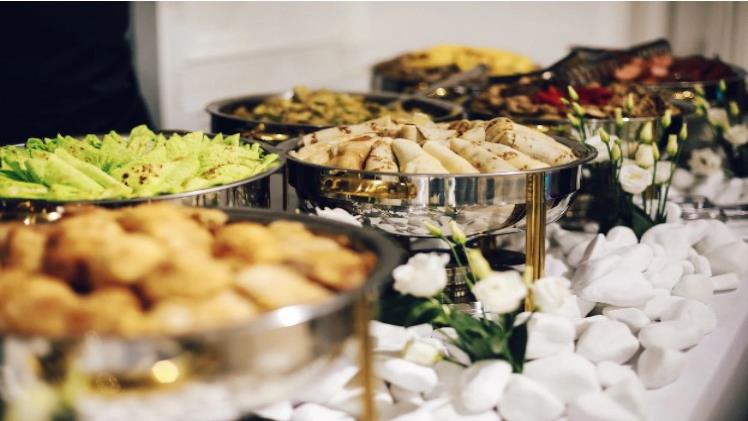
In the event world, event managers and caterers work together to ensure the goers have a great experience. In addition, they aspire to go beyond planners’ expectations. A lot of elements go into the execution of an event. However, trial and error are not your only teachers to succeed.
What are the best practices for food businesses, though? One would be to make a strong first impression and personalize your client’s experience. The other best practices for food businesses are also down below:
Strong First Impression
Firstly, you need to make a strong first impression on your audience. First impressions often matter and tend to cloud what other people think of you. In an event for catering, it also certainly applies. Were you responsive to the planner’s request for a proposal? Were you polite? Were you dressed well? If you are attentive and consistent, then that sets you on a good path. If you were not, you might have to make up for it.
Focusing on the details planners need and incorporating them into the venue showing solidifies your rapport with your partner organizer. It can only strengthen their opinion of you. Keep that up; that will make them excited to sign immediately and make everyone’s job and expectations easier.
Personalize From the Beginning
If you are starting, it would be good to be aligned with the event partner from the onset. Take on a more proactive role by suggesting areas where the client can add personalization. This will make them feel that this event is genuinely theirs. You can go further by requesting a copy of their current event itinerary.
Another professional touch you can add is to put a cutlery dispenser system near the food.
Facilitate Seamless Communication
While planners hire you to handle all the logistics and the “heavy lifting,” your planner must also approve everything, requiring frequent communication. More often than not, a BEO, also known as a banquet event order, comes in. It’s helpful because it tracks and updates details, from menus to logistics.
That said, it is helpful and great to keep everyone on the same page, organized,, and keep the correspondence. By being more organized with your tasks and timelines, your actions will be planned and completed with little effort.
Know Your Client
Before you plan and execute a catering service, you must understand your client’s needs and expectations and the venue’s characteristics. Through doing this, you can gauge what the right menu is, what others expect from you – and what the venue’s characteristics will be. If the event is a formal wedding reception, you may need a full bar, especially if the event’s demographics are younger people in their 20s-30s. You may also need a large team of servers.
In addition, staying on the same page as your co-organizers always stays in style. You must clarify details with them, such as the budget, timeline, contingency plan, layout, and all the other logistics.
Wrapping Up
Remember to prepare well and stay on top of things or, rather, on the same page with your teammates. It can go a long way to ensuring quality and the eventual success of your event!

Author’s Bio:
Rosette is known for advocating a sustainable lifestyle. That’s why on her free days, she spends her time writing about sustainability efforts and other ways to help the environment thrive and heal at a time of drastic climate change.
