

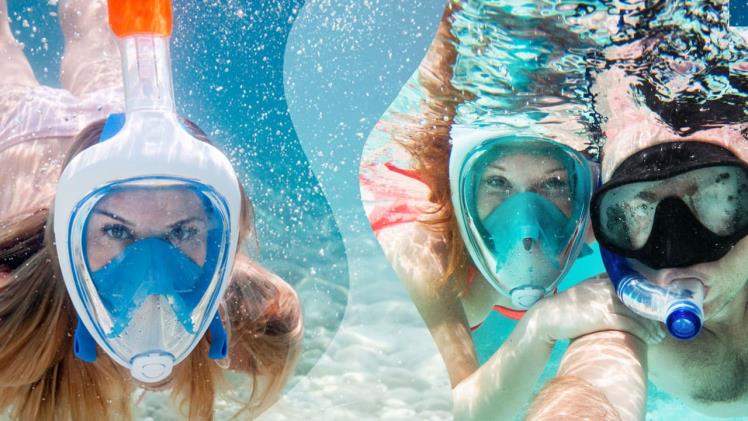
Are you ready to explore the mesmerizing underwater world? Snorkeling is a fantastic way to discover the beauty of marine life and coral reefs. To enhance your snorkeling experience, it’s essential to have the right gear. In this ultimate guide, we’ll walk you through the different types of snorkeling gear and highlight the features you should consider. So, let’s dive in!
Snorkeling Masks: Types And Features
A snorkeling mask is perhaps the most crucial piece of equipment. It allows you to see well while keeping your face dry underwater. When choosing a snorkeling mask, consider the following:
- Fit: Look for a mask that fits comfortably on your face. It should create a tight seal without causing any discomfort. Ensure that it covers your nose and provides a wide field of vision.
- Lens Material: Most masks feature tempered glass lenses, which are durable and resistant to scratching. Some masks also come with anti-fog coatings, preventing fogging and providing a clear view.
- Skirt Material: The skirt is part of the mask that seals against your face. High-quality masks often have silicone skirts, which offer a comfortable fit and a better seal compared to rubber skirts.
- Strap System: Opt for masks with adjustable straps that can be easily tightened or loosened. This allows for a secure fit and ensures the mask stays in place during your snorkeling adventure.
Snorkel Fins: Finding The Perfect Fit
Snorkel fins, also known as flippers, play a crucial role in helping you swim efficiently and comfortably through the water. Consider these factors when choosing your snorkel fins:
- Size: Fins come in various sizes, so it’s important to find the right fit. They should snugly encase your feet without being too tight or loose. Test them by trying different sizes and wiggling your toes inside the fins.
- Material: Fins are commonly made of rubber or silicone. Rubber fins are more affordable and durable, while silicone fins tend to be more comfortable and flexible.
- Fin Type: There are two main types of fins: full-foot fins and open-heel fins. Full-foot fins are worn barefoot and are ideal for warm water conditions. Open-heel fins have an adjustable strap at the heel and are suitable for colder water or when wearing booties.
Snorkels: Traditional Vs. Dry Snorkels
A snorkel allows you to breathe while your face is submerged in the water. Here are the two main types of snorkels and their features:
- Traditional Snorkels: These are the classic snorkels that have been around for years. They consist of a curved tube with a mouthpiece and a purge valve at the bottom. Traditional snorkels are simple, affordable, and suitable for most snorkelers.
- Dry Snorkels: Dry snorkels feature a splash guard or valve at the top that prevents water from entering the tube. They also have a purge valve at the bottom to clear any water that does enter. Dry snorkels are great for beginners and those who prefer to keep water out of their breathing tubes.
Snorkeling Vests: Safety And Comfort In The Water
Snorkeling vests provide buoyancy and ensure your safety while snorkeling. Consider the following when selecting a snorkeling vest:
- Buoyancy: Look for a vest that provides enough buoyancy to keep you afloat comfortably. It should be adjustable, allowing you to add or release air to achieve the desired buoyancy level.
- Size And Fit: Choose a vest that fits snugly and does not restrict your movement. It should have adjustable straps or buckles to ensure a secure fit.
- Visibility: Opt for a vest with bright colors or reflective strips to enhance your visibility in the water. This makes it easier for others to spot you, especially in open water or crowded snorkeling spots.
Accessories For Snorkeling: Must-Have Extras
In addition to the essential snorkeling gear, there are a few accessories that can enhance your experience:
- Snorkeling Bag: A snorkeling bag helps you carry and protect your gear. Look for a bag with separate compartments to keep your mask, fins, snorkel, and other accessories organized.
- Defogging Solution: A defogging solution or spray can be applied to your mask lenses to prevent fogging. This ensures a clear view underwater throughout your snorkeling session.
- Underwater Camera: Capture your snorkeling adventures with an underwater camera. Whether it’s a waterproof compact camera or a diving housing for your smartphone, it allows you to document the vibrant marine life you encounter.
- Snorkel Vest Whistle: A whistle attached to your snorkel vest can be a valuable safety tool. It can be used to attract attention if you’re in distress or need assistance.
