

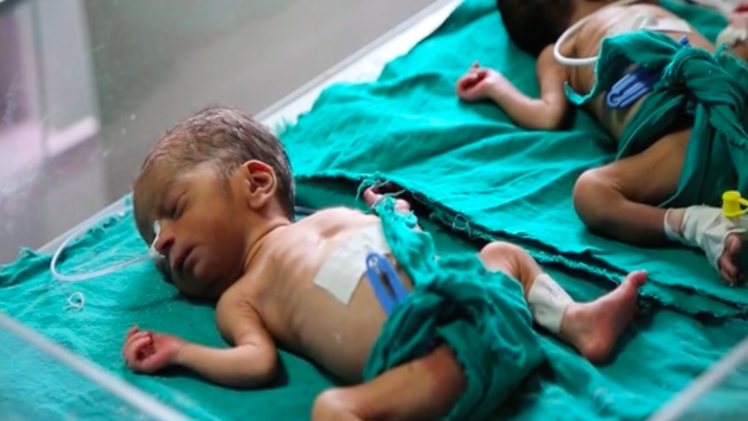
Lack of Proof of Identity and Citizenship: Unregistered child births resulted in individuals lacking proof of identity and citizenship. This posed significant challenges when it came to accessing government services, claiming rights and entitlements, and participating in legal and administrative processes. Without a birth certificate, individuals faced difficulties in proving their age, nationality, and parentage.
Limited Access to Education: Unregistered children often faced obstacles in accessing formal education. Schools typically required a birth certificate for enrollment, and the absence of this document hindered a child’s ability to attend school. This lack of education perpetuated cycles of poverty and limited future opportunities for these children.
Exclusion from Social Welfare Schemes: Unregistered child births meant that families were excluded from various social welfare schemes and government programs designed to support child and maternal health, nutrition, and overall well-being. Without official documentation, families were unable to avail themselves of benefits such as vaccinations, nutritional support, and other essential services provided by the government.
Challenges in Inheritance and Property Rights: Unregistered child births created complications in terms of inheritance and property rights. In the absence of a birth certificate, individuals faced difficulties in proving their relationship to deceased parents or claiming their rightful share of inherited property. This often led to disputes, legal battles, and prolonged uncertainties over property ownership.
Lack of Medical Assistance: Unregistered child births resulted in limited access to medical assistance and healthcare services. Birth certificates were often required for availing healthcare benefits, such as immunizations, maternal care, and other preventive and curative treatments. The absence of this documentation meant that families had to navigate hurdles in accessing appropriate medical support and services.
Vulnerability to Exploitation and Trafficking: Unregistered children were particularly vulnerable to exploitation and trafficking. The lack of official documentation made it easier for individuals to exploit these children, subjecting them to forced labor, child marriage, or involvement in illegal activities. Without legal protections and identity, these children faced a higher risk of exploitation and abuse.
Difficulties in Legal Proceedings: Unregistered child births created challenges when it came to legal proceedings involving children, such as custody battles, adoption processes, or protection from abuse and neglect. The absence of a birth certificate made it harder to establish the child’s legal status and entitlements, potentially prolonging legal procedures and leaving the child in vulnerable situations.
Over time, the recognition of the problems caused by unregistered child births has led to concerted efforts by the Indian government and various organizations to promote birth registration. Initiatives have been undertaken to raise awareness, simplify registration processes, and ensure universal birth registration, aiming to mitigate the challenges faced by unregistered children and their families.
