

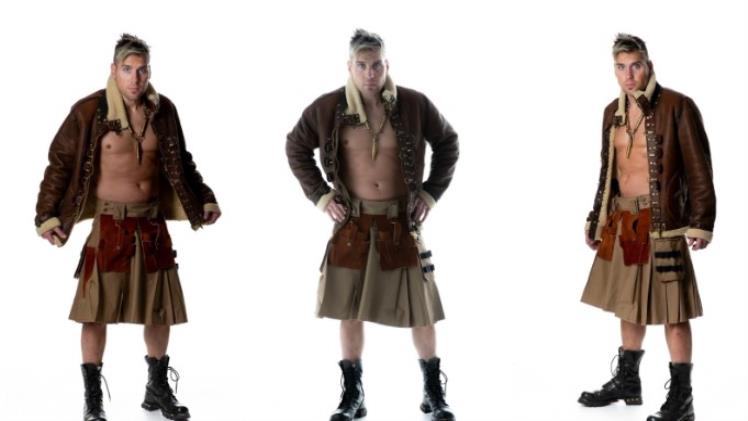
Are you familiar with the captivating combination of carpentry and Scottish heritage? Carpenters have found a unique way to express their passion for their craft and celebrate their Scottish roots by embracing kilts. In this article, we will explore how carpenters proudly incorporate kilts into their work attire, highlighting the significance of these traditional garments. From the functionality of cargo kilts to the allure of kilts from Scotland, let’s delve into the fascinating world where craftsmanship meets culture.
For carpenters, wearing a kilt while working not only pays homage to their Scottish ancestry but also provides practical benefits. Kilts are known for their comfort and freedom of movement, allowing carpenters to maneuver and work with ease. The breathable fabric and lack of restrictive legwear can be especially advantageous in physically demanding tasks, allowing carpenters to stay cool and agile throughout the day.
Additionally, the kilt serves as a conversation starter, sparking curiosity and creating opportunities for carpenters to share their heritage with clients and colleagues. It can be an excellent way to promote cultural awareness and foster a sense of community within the profession.
In recent years, there has been a surge in the availability of modern and functional kilts designed specifically for occupational purposes. The Carpenter kilt often feature durable materials, reinforced pockets, and tool loops, catering to the practical needs of carpenters while maintaining the traditional kilt aesthetic. By combining functionality with cultural pride, carpenters are able to embrace their Scottish heritage in a way that aligns with their profession.
The Origin and Significance of Kilts
Dating back centuries, kilts have been an integral part of Scottish culture. Originally, kilts were made from a single piece of fabric and served as a versatile garment for the Highlanders, providing freedom of movement in the rugged Scottish landscape. Over time, kilts became a symbol of Scottish identity, representing pride, honor, and heritage.
The Evolution of Kilts in Carpentry
Carpentry, a skilled trade that demands precision and craftsmanship, has found an unexpected connection with kilts. Carpenters, known for their dedication to their work, have embraced kilts as a way to express their individuality while paying homage to their Scottish ancestry. The distinctive silhouette and rich history of kilts perfectly complement the intricate artistry of carpentry.
Uniting Tradition and Professionalism
When carpenters wear kilts, they bridge the gap between tradition and professionalism. Kilts exude a sense of pride and authenticity, reflecting the carpenter’s commitment to their craft while showcasing their cultural heritage. The combination of a kilt and carpentry tools creates a visually striking image that instantly captures attention and ignites conversations.
Showcasing Scottish Heritage Through Carpenters Kilts
Carpenters wearing kilts serve as ambassadors of Scottish heritage, proudly displaying their cultural roots to clients, colleagues, and the wider community. The kilt acts as a conversation starter, allowing carpenters to share the story of their heritage and the significance of kilts in Scottish culture. Through this, they promote a deeper understanding and appreciation of Scotland’s rich traditions.
The Kilt’s Impact on Carpenter Identity
For many carpenters, wearing a kilt is more than a fashion statement—it becomes a part of their identity. Kilts instill a sense of pride, fostering a connection to their craft, heritage, and the wider community of carpenters who share this unique tradition. The kilt becomes a symbol of belonging, reinforcing the bonds between carpenters and their shared passion for woodworking.
Breaking Stereotypes: Embracing Diversity in Carpenters Kilts
Traditionally, kilts have been associated with male attire. However, in modern times, the carpentry industry has evolved, becoming more inclusive and diverse. Today, carpenters of all genders proudly wear kilts, breaking stereotypes and challenging societal norms. This inclusivity fosters a sense of unity within the carpentry community and promotes acceptance and diversity.
Carpenters and the Functional Gothic Kilt
Carpenters embracing the Gothic Kilt represents a captivating fusion of style, functionality, and craftsmanship. While traditionally associated with Scottish heritage, the Gothic Kilt brings a unique twist to the carpentry profession. This modern interpretation of the classic kilt incorporates rugged aesthetics and functional design elements that cater specifically to the needs of carpenters. The Functional Gothic Kilt combines durable materials with thoughtful features to enhance carpenters’ performance on the job. The kilt’s sturdy construction and reinforced stitching ensure longevity, withstanding the demands of a carpenter’s physical work environment. Multiple pockets and tool loops provide convenient storage for essential tools and equipment, allowing carpenters to keep their hands free and tools within easy reach. This functional design not only promotes efficiency but also showcases the adaptability of the kilt to meet the practical requirements of the carpentry trade.
Beyond its functional attributes, the Gothic Kilt also makes a bold fashion statement. The dark color palette, intricate detailing, and alternative aesthetics add a touch of uniqueness to the carpenter’s attire. By donning the Functional Gothic Kilt, carpenters express their individuality and exhibit a sense of style that aligns with their profession. This modern interpretation of the kilt challenges traditional norms, pushing boundaries and redefining the image of a carpenter, while still honoring the rich heritage associated with kilts.
The Appeal of Gothic Kilts
Embracing Dark Aesthetics
Gothic kilts are known for their fusion of Victorian gothic elements and traditional kilt designs. These kilts often feature dark colors, intricate patterns, and unique embellishments that set them apart from more conventional kilts. The gothic aesthetic allows individuals to express their love for alternative fashion, combining elegance with a touch of darkness.
Versatility in Styling
One of the reasons gothic kilts have gained popularity is their versatility in styling. These kilts can be paired with various accessories and clothing pieces to create different looks. Whether it’s a punk-inspired ensemble with leather jackets and band t-shirts or an elegant gothic look with lace details and corsets, gothic kilts offer endless possibilities for self-expression.
A Symbol of Rebellion
Gothic kilts serve as a symbol of rebellion against mainstream fashion norms. They provide a unique opportunity for individuals to break free from conventional dress codes and embrace their individuality. By donning a gothic kilt, one can make a bold fashion statement that challenges societal expectations.
Promoting Cultural Exchange and Appreciation
When carpenters embrace kilts as part of their work attire, they contribute to the promotion of cultural exchange and appreciation. Clients and colleagues from diverse backgrounds have the opportunity to learn about Scottish traditions and heritage, fostering a sense of curiosity and understanding. This cultural exchange enriches the professional environment and creates a more inclusive and tolerant society.
Caring for Your Carpenter Kilt
To ensure the longevity of your carpenter kilt, proper care and maintenance are essential. Follow the manufacturer’s instructions for cleaning and storing your kilt. Avoid exposing it to harsh chemicals or excessive heat, as this can damage the fabric. Regularly inspect and repair any loose threads or minor damages to preserve the quality and appearance of your kilt.
Inspiring Future Generations of Carpenters
As carpenters proudly don their kilts, they inspire future generations to embrace their craft and heritage. By sharing their experiences and traditions, carpenters foster a sense of pride and passion among aspiring woodworkers. Kilts become a symbol of craftsmanship, cultural pride, and the potential for creative expression, encouraging young individuals to explore the world of carpentry.
How to Choose the Right Kilt for Carpentry Work
Selecting the perfect kilt for carpentry work requires careful consideration. When it comes to carpentry work, finding the right attire that combines functionality and style is essential. Look no further than Fashion Kilt, where you can discover a wide selection of Kilts from Scotland specifically designed for carpentry tasks. These kilts are crafted with durability in mind, using high-quality materials to withstand the demands of a rugged work environment. Whether you’re measuring, cutting, or assembling, these kilts offer unrestricted movement, allowing you to maneuver with ease. Not only are they practical, but they also exude a unique sense of fashion and cultural heritage. With various tartan patterns and designs available, you can choose a kilt that reflects your personal style while showcasing your passion for craftsmanship. Trust fashionkilt.com to provide you with the perfect kilt for your carpentry endeavors, combining tradition, functionality, and modern style seamlessly.
Conclusion
The convergence of carpentry and Scottish heritage is beautifully exemplified through carpenters embracing kilts. These traditional garments not only showcase a carpenter’s dedication to their craft but also provide a meaningful connection to their Scottish roots. Kilts serve as a bridge between tradition and professionalism, fostering a sense of pride, identity, and cultural appreciation within the carpentry community.
FAQs (Frequently Asked Questions)
-
Can women carpenters wear kilts too?
Absolutely! Kilts are not limited to a specific gender. Women carpenters can embrace kilts and express their passion for carpentry and Scottish heritage with pride.
-
Are cargo kilts only for carpenters?
Cargo kilts were initially designed with the needs of carpenters in mind, but they can be worn by individuals in various professions or for casual wear. The functional aspects of cargo kilts make them suitable for anyone who values utility and style.
-
How do kilts from Scotland differ from kilts made elsewhere?
Kilts from Scotland are crafted using traditional methods and high-quality materials, ensuring authenticity and attention to detail. They feature unique tartans and patterns specific to Scottish heritage, making them distinct from kilts made in other regions.
-
Can kilts be worn in warmer climates?
Yes, kilts can be worn in warmer climates. Lightweight and breathable materials, such as cotton or lightweight wool, are suitable for ensuring comfort in hotter weather conditions.
-
Where can I find kilts from Scotland?
You can find kilts from Scotland at various reputable retailers and online platforms that specialize in Scottish clothing and accessories. One such platform is fashionkilt.com, which offers a wide range of kilts sourced directly from Scotland.
