

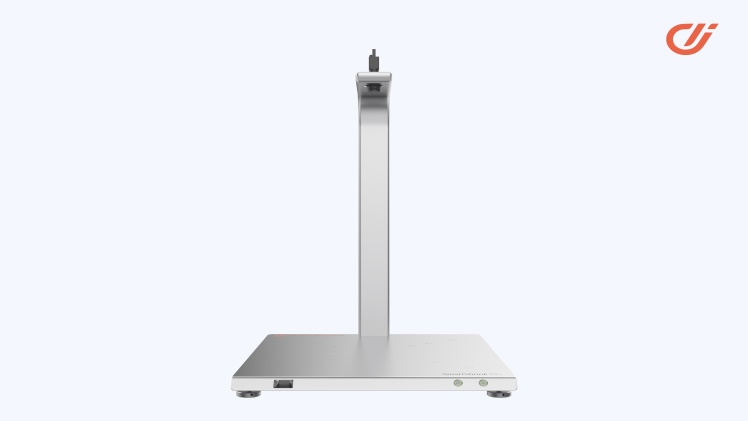
Picture this: you’ve carefully selected the perfect garment, only to discover that it shrinks after just one wash. Frustrating, right? Shrinkage can be a major disappointment for customers and a headache for manufacturers. That’s where shrinkage testing machines come into play. These innovative devices are designed to ensure product quality and customer satisfaction by accurately measuring shrinkage levels in fabrics and materials. In this blog post, we’ll delve into the world of shrinkage testing machines, exploring what they are, the different types available, and how they work their magic. So sit back, relax, and get ready to unravel the mystery behind these remarkable tools!
What is Shrinkage Testing?
What exactly is shrinkage testing and why is it so important? Shrinkage testing refers to the process of measuring how much a fabric or material shrinks after being subjected to specific conditions, such as washing or drying. It helps manufacturers determine the potential shrinkage rate of their products and ensures that they meet quality standards.
Different fabrics behave differently when exposed to moisture and heat, which makes shrinkage testing crucial in understanding how materials will perform in real-life scenarios. Whether it’s a cotton t-shirt or a polyester blend dress, knowing the extent of shrinkage can help manufacturers make informed decisions about sizing, production techniques, and even fabric selection.
Shrinkage testing involves subjecting samples of fabric or material to controlled conditions designed to mimic normal wear and care situations. These conditions may include washing at various temperatures, tumble-drying at different heat levels, or even dry cleaning processes. The samples are carefully measured before and after exposure to these conditions using specialized equipment like shrinkage testers.
By conducting thorough shrinkage tests on their products, manufacturers can ensure that customers receive garments that retain their shape and size over time. This reduces the risk of dissatisfaction due to unexpected shrinking after purchase.
In addition to benefiting manufacturers by ensuring product quality control, shrinkage testing also plays an essential role in customer satisfaction. Customers want clothing items that not only fit well initially but continue fitting well after multiple washes. By utilizing modern technology like advanced shrinkage testing machines,, companies can deliver on this expectation by producing reliable garments that maintain their shape throughout regular use.
So there you have it – a brief introduction into what exactly is meant by “shrinkage testing.” In our next section, we’ll explore the different types of tests utilized in this process!
Types of Shrinkage Testing
Shrinkage testing is a crucial process in ensuring product quality and customer satisfaction. It allows manufacturers to identify any potential issues with their products, such as dimensional changes or material shrinkage. There are different types of shrinkage testing methods that can be used, depending on the specific requirements of the product.
One common type of shrinkage testing is linear dimensional change testing. This method measures how much a material changes in size when subjected to certain conditions, such as heat or moisture. By analyzing the linear dimensions before and after exposure, manufacturers can determine if there has been any significant shrinkage.
Another type of shrinkage testing is volumetric analysis. This method focuses on measuring the overall volume change of a material rather than just its linear dimensions. Volumetric analysis provides a more comprehensive understanding of how a material behaves under different conditions and can help identify potential problems with product performance.
In addition to these methods, there are also specialized tests for specific materials or industries. For example, textile manufacturers may use fabric shrinkage testing machines to assess how fabrics react to washing or drying processes. Similarly, plastic manufacturers may utilize injection molding machine tests to evaluate the dimensional stability and warpage behavior of plastic parts.
By utilizing various types of shrinkage testing methods and machines tailored to their specific needs, manufacturers can ensure that their products meet quality standards and ultimately satisfy customers’ expectations.
How Shrinkage Testing Machines Work
In this blog post, we have explored the importance of shrinkage testing machines in ensuring product quality and customer satisfaction. Shrinkage testing is a crucial process that helps manufacturers identify potential issues with their products before they reach the market.
We discussed the different types of shrinkage testing, including linear dimensional changes and volumetric changes. Each type serves a specific purpose in evaluating how materials respond to temperature variations and how they may shrink or expand during use.
We delved into how these machines work to provide accurate and reliable results. By subjecting samples to controlled temperature conditions, they simulate real-world environments and measure any dimensional changes that occur. The data obtained from these tests enables manufacturers to make informed decisions about material selection, design modifications, and overall product performance.
By investing in state-of-the-art shrinkage testing machines, manufacturers can ensure that their products meet industry standards for quality and reliability. These machines play a vital role in improving production processes by identifying potential defects early on, reducing costly rework or recalls down the line.
In conclusion (without using “in conclusion”), shrinkage testing machines are an invaluable tool for manufacturers striving for excellence in their products. They enable them to deliver high-quality items that meet customer expectations consistently. By incorporating these machines into their quality control processes, manufacturers can enhance product performance while maintaining customer satisfaction levels at an all-time high.
