

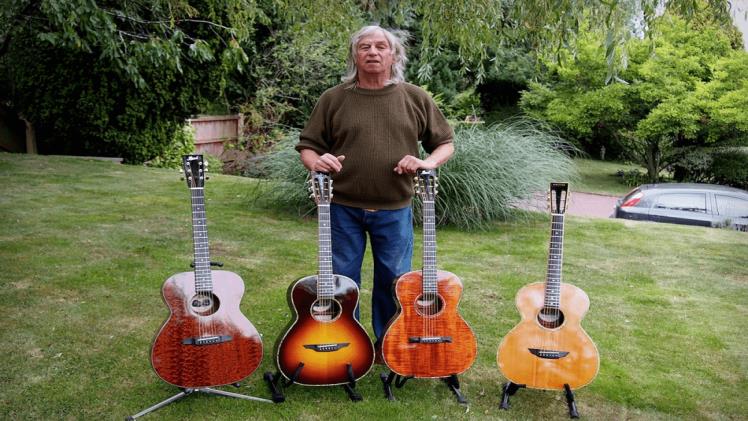
Music is a universal language that transcends borders and connects people from different cultures and backgrounds. Whether it’s the soothing melodies of a violin or the rhythmic beats of a drum, music can evoke emotions and bring joy to our lives. Behind every great performance lies the dedication and expertise of skilled craftsmen who ensure that musical instruments are in perfect harmony. This article will delve into the world of music instrument repair and explore the artistry of restoring these beautiful instruments to their optimal condition.
The Role of Instrument Repair:
Like any other mechanical device, music instruments are subject to wear and tear over time. From minor adjustments to major overhauls, instrument repair plays a crucial role in maintaining the quality and playability of these instruments. Repair technicians are skilled artisans who deeply understand various instruments’ construction, materials, and mechanics. Their expertise allows them to diagnose problems, make precise adjustments, and restore instruments to their former glory.
The Artistry of Instrument Repair:
Repairing musical instruments is more than just fixing broken parts. It requires a delicate balance of technical knowledge and artistic sensibility. Every instrument has unique tonal characteristics and nuances, and a skilled repair technician must strive to preserve and enhance these qualities during the repair process. They must carefully evaluate each instrument’s structural integrity, tonal balance, and playability, ensuring it meets the musician’s expectations and requirements.
The Challenges of Instrument Repair:
Instrument repair can be challenging, as it involves working with intricate mechanisms and fragile materials. Many repairs require meticulous attention to detail, such as aligning keywork, adjusting tension, and regulating intonation. Repair technicians often encounter complex issues, such as cracks, warping, or fretboard wear, which demand a high level of skill and expertise to address effectively. Additionally, they must be familiar with the specific requirements of different instruments, as repair techniques can vary significantly between instruments like brass, woodwinds, and stringed instruments.
Restoring Historical Instruments:
One of the most fascinating aspects of instrument repair is the restoration of historical instruments. These instruments often carry significant cultural and historical value, and repairing them requires a deep understanding of their original craftsmanship. Restoring historical instruments involves meticulous research, careful documentation, and the use of traditional techniques to maintain authenticity. It is a labor of love that allows future generations to experience the rich musical heritage of the past.
The Importance of Regular Maintenance:
Preventive maintenance is a key aspect of instrument repair. Regular check-ups and adjustments can help identify potential issues before they become significant problems. Simple tasks such as cleaning, oiling, and replacing worn-out parts can significantly prolong the lifespan of an instrument and maintain its tonal quality. Musicians are encouraged to establish a maintenance routine and consult repair technicians for guidance on caring for their instruments properly.
Conclusion:
Music instrument repair is an art form that breathes new life into these magnificent tools of expression. It requires a blend of technical expertise, artistic sensibility, and a deep passion for music. Repair technicians play an essential role in preserving the integrity and ensuring the longevity of musical instruments. They empower musicians to create melodies that touch hearts and captivate souls by restoring harmony to these instruments. So, let us appreciate the unsung heroes behind the scenes who make music possible by dedicating their skills to the art of instrument repair.
